

OUR TREATMNTS
Fibroid Treatment
Comprehensive fibroid care in Johar Town, Lahore, with specialist gynecological assessment, diagnosis and personalized treatment options for women experiencing heavy periods, pelvic pain, pressure or fertility concerns.


Specialist Assessment
Detailed evaluation of your symptoms, menstrual history and reproductive goals to understand how fibroids may be affecting your health.
Personalized Care
Treatment recommendations based on the size, number and location of fibroids, your symptoms and your future pregnancy plans.
Symptom Management
Appropriate treatment options to help manage heavy menstrual bleeding, painful periods, pelvic discomfort and pressure symptoms.
Fertility-Focused Care
Individualized guidance for women whose fibroids may be affecting fertility or pregnancy planning.

What Are Uterine Fibroids?
Uterine fibroids are non-cancerous growths that develop from the muscle tissue of the uterus. They can vary in size, number and location. Some women have a single fibroid, while others may have several fibroids of different sizes.
Fibroids may develop within the wall of the uterus, project into the uterine cavity or grow on the outer surface of the uterus. Some women have no symptoms and may discover fibroids during a routine examination or imaging test, while others experience heavy menstrual bleeding, pelvic pain or pressure symptoms.
The effect of fibroids varies from woman to woman, so treatment decisions should be based on individual symptoms, fibroid characteristics and reproductive goals.

Quick Facts
- ibroids are usually benign growths of the uterine muscle.
- They can vary considerably in size and location.
- Some fibroids cause no symptoms.
- Heavy or prolonged menstrual bleeding is a common symptom.
- Fibroids can cause pelvic or lower-back discomfort.
- Larger fibroids may cause pressure on the bladder or bowel.
- Fibroids can sometimes be associated with fertility problems.
- Fibroids often become smaller after menopause, although this does not happen in every woman.
When Should You Seek Medical Care?
Heavy Periods
Very heavy or prolonged menstrual bleeding can be a symptom of fibroids and may contribute to anemia.
Pelvic Pain or Pressure
Persistent pelvic discomfort, abdominal heaviness or pressure should be evaluated, particularly when symptoms interfere with daily activities.
Frequent Urination
Larger fibroids may press against the bladder and cause increased urinary frequency or difficulty emptying the bladder.
Bowel Symptoms
Pressure from fibroids can sometimes contribute to constipation or difficulty with bowel movements.
Enlarged Abdomen
A larger fibroid or multiple fibroids may increase the size of the uterus and cause abdominal fullness or swelling.
Fertility Concerns
Women experiencing difficulty becoming pregnant may benefit from evaluation to determine whether fibroids or another condition could be contributing.
Heavy menstrual bleeding and pelvic pain should not simply be accepted as normal. A gynecological assessment can help determine whether fibroids or another condition may be responsible for your symptoms.
Benefits of Fibroid Treatment
Not every fibroid requires treatment. Small fibroids that cause no symptoms may simply be monitored. When treatment is needed, the appropriate option depends on factors such as symptoms, fibroid size and location, age and whether future pregnancy is desired.
Control Heavy Bleeding
Treatment can help manage heavy menstrual bleeding and reduce its effect on everyday life.
Relieve Pain and Pressure
Appropriate treatment may help reduce pelvic discomfort, menstrual pain and pressure symptoms.
Medical Management
Depending on the situation, medicines may be used to help control bleeding or other symptoms.
Myomectomy
Myomectomy removes fibroids while preserving the uterus and may be considered for selected women, including some women who wish to preserve fertility.
Hysteroscopic or Laparoscopic Surgery
Depending on the location and size of the fibroid, minimally invasive approaches such as hysteroscopy or laparoscopy may be appropriate for selected patients.
Individualized Treatment Planning
Your gynecologist can discuss the benefits, risks and suitability of different treatment options based on your symptoms and reproductive plans.
Is Fibroid Treatment Right for You?

✓ Heavy or prolonged menstrual periods
✓ Pelvic or lower abdominal pain
✓ Feeling of pressure or fullness in the abdomen
✓ Frequent urination or bladder pressure
✓ Constipation or bowel pressure
✓ Anemia associated with heavy menstrual bleeding
✓ Difficulty becoming pregnant
✓ Fibroids identified during an ultrasound or other examination
✓ Symptoms affecting your daily activities
Fibroids can affect women differently. Our gynecology team can assess your symptoms, review your diagnostic findings and discuss appropriate treatment options based on your health and future pregnancy plans.
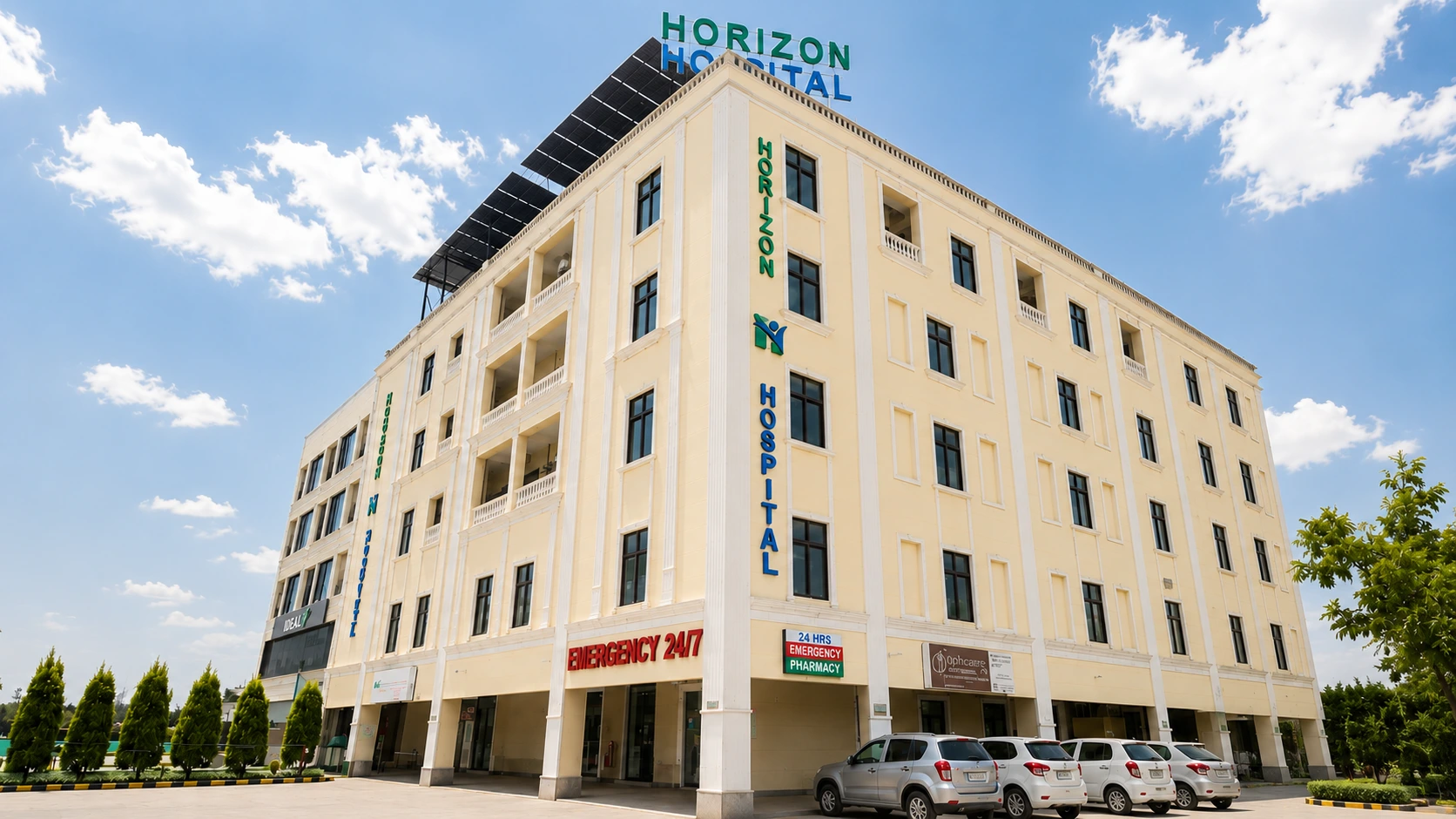
Why Choose Horizon Hospital?
- Experienced gynecology specialists
- Comprehensive women's healthcare
- Modern diagnostic and surgical facilities
- Individualized treatment planning
- Support for fertility-related concerns
- Access to hospital-based diagnostic services
- Convenient location in Johar Town, Lahore
Frequently Asked Questions
What are uterine fibroids?
Fibroids are non-cancerous growths that develop from the muscle tissue of the uterus. They can vary in size, number and location.
What are the common symptoms of fibroids?
Symptoms can include heavy or prolonged menstrual bleeding, painful periods, pelvic or lower-back pain, pressure, frequent urination, constipation and an enlarged abdomen. Some women have no symptoms.
How are fibroids diagnosed?
A pelvic examination may identify an enlarged uterus or other findings. Ultrasound is commonly used to assess the uterus and fibroids. Other tests, including hysteroscopy or additional imaging, may be considered depending on the situation.
Do all fibroids need treatment?
No. Fibroids that cause no symptoms may not require treatment and may simply be monitored. Treatment may be considered when symptoms such as heavy bleeding, pain, pressure or fertility problems are significant.
Can fibroids be treated without surgery?
Yes. Depending on the patient's symptoms and circumstances, medications may help control heavy bleeding or painful periods. The appropriate treatment should be discussed with a gynecologist.
What is a myomectomy?
A myomectomy is a surgical procedure that removes fibroids while leaving the uterus in place. It may be an option for selected women who wish to preserve their uterus or fertility.
Can fibroids affect fertility?
Fibroids can be associated with infertility in some women, although there can be many other causes of difficulty becoming pregnant. A fertility evaluation can help determine the likely cause.
Do fibroids become smaller after menopause?
Fibroids often become smaller when estrogen levels decrease around menopause, although this does not happen in every woman.
Can fibroids come back after treatment?
New fibroids can develop after a myomectomy, even though the fibroids that were removed do not grow back. Your doctor can discuss the possibility of recurrence and appropriate follow-up.
Related Treatments
Related Department
Gynecology & Obstetrics
Areas We Serve (Near by)
📍 Johar Town | 📍 Wapda Town | 📍 Valencia Town | 📍 Township | 📍 Green Town | 📍 Faisal Town | 📍 Canal View | 📍 NFC Society | 📍 Izmir Town | 📍 Shaukat Khanum Area | 📍 Model Town | 📍 Punjab Society | 📍 EME Society | 📍 Lake City | 📍 Gulshan-e-Lahore | 📍 Thokar Niaz Baig